
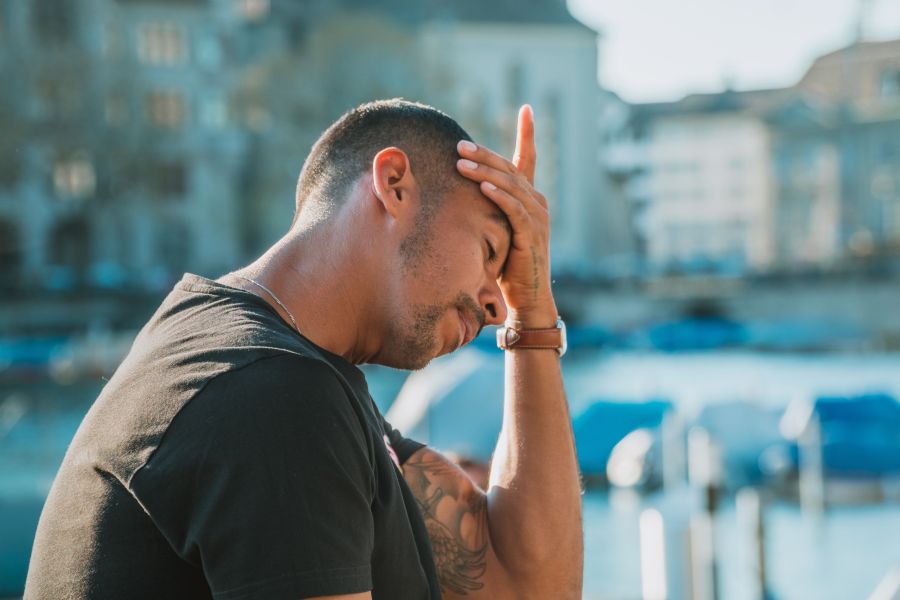
Failure is a word most of us learn to fear from an early age. We are taught to celebrate success, good grades, promotions, achievements and victories, while failure is often treated as something embarrassing that should be hidden. Yet, some of life’s most valuable lessons come from the moments when things don’t go according to plan.
Success can make us happy, but failure can make us wiser.
Every setback has something to teach us—if we are willing to listen.
Failure Is Not the Opposite of Success
We often imagine success and failure as two completely different destinations. If we succeed, we have won; if we fail, we have lost.
But life rarely works that way.
Failure is often part of the journey towards success. A student who performs poorly in an examination may discover that their study methods were ineffective. An entrepreneur whose business fails may learn more about customers, finances and decision-making than they could have learned from a successful venture.
The failure itself is not the final outcome. What we learn from it determines what happens next.
Failure Shows Us What Success Cannot
When everything goes well, we rarely stop to analyse why.
Success can sometimes create a false sense of confidence. We may believe that our methods are perfect simply because they produced the desired result.
Failure forces us to ask difficult questions:
- What went wrong?
- What could I have done differently?
- Was I adequately prepared?
- Did I overlook something important?
- What can I learn from this experience?
These questions can be uncomfortable, but they can also lead to tremendous personal growth.
Failure Builds Resilience
One of the greatest gifts failure can give us is resilience—the ability to recover after difficulties.
A person who has never experienced failure may find their first major setback overwhelming. Someone who has faced disappointments before may be better prepared to say:
“This didn’t work. Let me try again.”
Resilience doesn’t mean that failure doesn’t hurt. It means that the pain of failure doesn’t have the final word.
Every time we recover from a setback, we become a little more capable of dealing with the next challenge.
Failure Teaches Us About Ourselves
Failure can reveal things about our character that success sometimes hides.
It can show us whether we give up easily, whether we can accept criticism, whether we are willing to change our approach and whether we can remain hopeful when things don’t go our way.
Sometimes failure even helps us discover what we truly want.
A person may spend years pursuing a particular career, only to discover after being rejected repeatedly that they are better suited to something completely different. What initially appears to be a closed door may eventually lead to a better path.
Don’t Let Failure Become Your Identity
There is an important difference between “I failed” and “I am a failure.”
The first describes an event.
The second defines a person.
Everyone fails at something. A failed examination doesn’t make someone unintelligent. A rejected job application doesn’t make someone unemployable. A failed relationship doesn’t make someone incapable of being loved. A business setback doesn’t make someone incapable of succeeding.
Failure is something you experience, not something you are.
Failure Can Make Us More Empathetic
People who have experienced disappointment often develop a deeper understanding of what others are going through.
Someone who has been rejected may understand another person’s disappointment. Someone who has struggled academically may be more patient with a student who is finding a subject difficult. Someone who has lost a job may understand the anxiety of unemployment.
Our struggles can therefore make us kinder, more patient and more compassionate.
The Fear of Failure Can Be More Dangerous Than Failure Itself
Sometimes the greatest failure is not trying at all.
Fear can persuade us to remain in situations that no longer make us happy. It can stop us from applying for a job, starting a business, learning something new, speaking in public or pursuing a dream.
We tell ourselves:
“What if I fail?”
But perhaps the better question is:
“What might happen if I never try?”
Failure may bring disappointment. But avoiding every risk can leave us with something even more painful—regret.
Change the Way You Think About Failure
Instead of asking:
“Why did I fail?”
try asking:
“What is this failure trying to teach me?”
Instead of:
“I wasn’t good enough.”
try:
“What skill do I need to improve?”
Instead of:
“It’s over.”
try:
“What can I do differently next time?”
This shift in thinking can transform failure from a source of shame into an opportunity for learning.
Every Failure Is Feedback
Think of failure as information.
If you apply for ten jobs and receive no offers, that doesn’t necessarily mean you have no value. Perhaps your CV needs improvement. Perhaps you need additional skills. Perhaps you’re applying for the wrong roles. Perhaps you need to improve your interview technique.
The failure provides feedback about the strategy, not necessarily a verdict about your worth.
Successful people are often not those who never fail. They are people who learn, adapt and keep going.
Don’t Fear the Fall
Life will inevitably contain setbacks.
We will make mistakes. We will make wrong choices. We will sometimes trust the wrong people, choose the wrong path or discover that our carefully planned efforts haven’t worked.
That’s life.
The goal isn’t to create a life without failure. The goal is to become strong enough to learn from failure without allowing it to stop us.
Sometimes the experience that feels like the end of the road is actually the beginning of a better one.
Final Thought
Success may give us confidence, recognition and rewards. Failure gives us perspective, resilience, self-awareness and wisdom.
So, don’t be afraid to fail.
Try. Make mistakes. Learn. Adjust. Try again.
Because one day, you may look back at the failure you were once so afraid of and realise that it taught you exactly what you needed to know to succeed.
Get in touch with Edvantage counsellors to rise up even if you failed once or many times!